Popular Music Genres Around The World
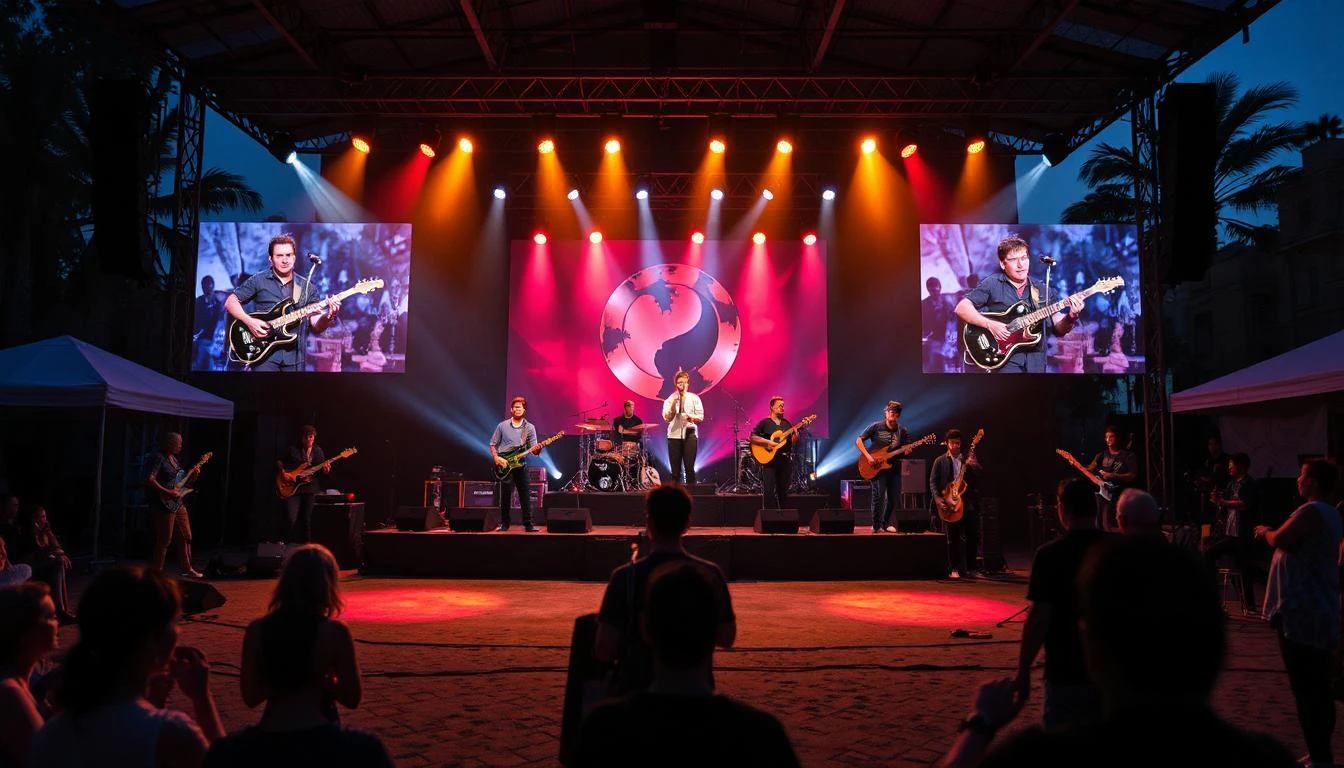
Music has become one of the most powerful forms of entertainment in modern society because it constantly evolves alongside culture, technology, and human emotion. Every region around the world brings its own identity into music, creating sounds that reflect history, lifestyle, traditions, and social change. From energetic festival anthems to emotionally driven acoustic ballads, global audiences are now exploring music with far more curiosity than ever before. Streaming platforms and digital communities have also transformed how listeners discover artists, allowing songs from different countries to instantly become part of worldwide entertainment conversations.
Today, popular music genres influence far more than playlists alone because they shape fashion trends, online culture, social media movements, and even personal identity. Modern listeners are no longer restricted to one style of music, as people now combine international sounds, multilingual songs, and genre-blending collaborations into their daily listening habits. This worldwide shift has created a more connected entertainment landscape where music feels both deeply personal and globally influential at the same time.
Introduction to Global Music Genres
The modern music industry continues expanding at an incredible pace, introducing audiences to sounds that once remained hidden within regional boundaries. What makes today’s entertainment landscape fascinating is how quickly genres evolve through cultural exchange, digital exposure, and creative experimentation. Audiences are not simply listening to music anymore; they are actively exploring identities, emotions, and stories through sound.
Another major reason music genres continue dominating entertainment discussions is the rise of global music styles, where artists combine traditional influences with modern production techniques to create something completely fresh. This creative fusion allows listeners to experience music that feels innovative while still preserving cultural authenticity. As music critic Simon Reynolds once explained, “Pop music thrives on reinvention,” and that constant reinvention is exactly why global audiences remain emotionally connected to evolving music trends.
How music genres evolve over time
Music genres constantly transform because society itself never stands still. Every generation introduces new ideas, emotional perspectives, and technologies that reshape how music sounds and how audiences experience it. Jazz influenced rhythm and blues, rock inspired countless alternative movements, and hip hop evolved into one of the most dominant global entertainment cultures today.
Digital platforms have accelerated this evolution dramatically. Independent artists can now release music internationally without depending entirely on traditional record labels, allowing unique sounds to spread worldwide within days. This is one reason why listeners today are exposed to far more diverse and experimental genres than previous generations.
Cultural influence on music styles
Culture remains one of the strongest foundations behind every music genre. Language, tradition, migration, fashion, and social experiences all contribute to shaping how music develops within different regions. Latin rhythms, for example, are deeply connected to celebration and movement, while African-inspired percussion continues influencing modern pop and electronic production globally.
At the same time, audiences are increasingly drawn toward authenticity. Many listeners connect more deeply with songs that preserve cultural uniqueness rather than sounding overly commercialized. This emotional connection explains why regional music styles continue growing rapidly on international streaming charts.
Global popularity of modern music
Modern music popularity is no longer controlled solely by radio stations or local industries. Viral content, streaming algorithms, and social media exposure allow songs from nearly any country to reach global audiences almost instantly. A track created in Seoul, Lagos, or Bogotá can suddenly dominate playlists across Europe, North America, and Southeast Asia within hours.
This accessibility has also changed listener behavior. Many people no longer identify with only one genre because playlists now combine pop, EDM, indie music, hip hop, Latin sounds, and nostalgic classics together. The result is a more dynamic entertainment culture where musical preferences constantly evolve based on mood, trends, and discovery.
Most Popular Music Genres Worldwide
Music trends may change rapidly, but several genres continue maintaining enormous global influence because of their emotional impact and adaptability. These genres shape entertainment culture beyond music itself by influencing fashion, internet trends, advertising, film, and social identity.
Another reason these genres remain dominant is their ability to connect emotionally across cultural differences. Even when audiences do not understand the lyrics completely, rhythm, atmosphere, and emotional energy still create meaningful experiences that resonate universally.
Pop music and mainstream culture
Pop music remains one of the most commercially successful genres because of its catchy melodies, relatable themes, and polished production. Modern pop artists continuously reinvent their sound by collaborating with musicians from different countries and genres, helping the music stay fresh and globally relevant.
The influence of pop culture extends beyond audio experiences. Viral dance trends, fashion aesthetics, internet memes, and fan communities often emerge directly from popular songs. This strong connection between music and digital culture keeps pop music at the center of mainstream entertainment. Music producer Rick Rubin once stated that “the best art often comes from genuine expression rather than calculation,” and many successful pop artists today are proving that audiences value emotional honesty more than manufactured perfection.
Rock music and its evolution
Rock music has transformed significantly since its explosive rise during the twentieth century. Classic rock emphasized rebellion and powerful guitar-driven performances, while alternative and indie rock introduced more introspective storytelling and experimental production styles.
Although rock music may not dominate mainstream charts as heavily as before, its influence remains deeply rooted in modern entertainment. Many contemporary artists still incorporate rock elements into electronic music, cinematic soundtracks, and modern pop production. The raw emotional intensity associated with rock continues attracting listeners searching for authenticity and artistic depth in an increasingly fast-moving entertainment landscape.
Hip hop, EDM, and contemporary trends
Hip hop has evolved into one of the most influential cultural movements in the entertainment industry. Originally rooted in storytelling and urban expression, the genre now shapes language, fashion, branding, sports culture, and social media trends globally. At the same time, EDM transformed nightlife culture into massive festival experiences filled with immersive visuals and emotionally driven performances. Genres like techno, house, trance, and future bass continue evolving through technological experimentation and creative production.
One fascinating trend today involves the blending of hip hop with electronic music. Artists increasingly combine emotional rap vocals with atmospheric electronic beats, creating songs designed for both personal listening and live crowd experiences.
Regional Music Styles Across Countries
Regional music styles are becoming more visible internationally because audiences actively search for sounds that feel distinctive and culturally rich. Instead of disappearing beneath mainstream trends, local genres are finding new audiences through streaming platforms and digital communities.
This growing appreciation for diversity has changed how listeners explore entertainment. People are becoming more curious about unfamiliar sounds, languages, and storytelling approaches, making international music discovery feel more immersive and emotionally rewarding.
Latin music and dance influence
Latin music has become one of the strongest forces in global entertainment. Reggaeton, Latin pop, salsa, bachata, and regional Mexican music consistently dominate streaming charts while influencing dance culture worldwide.
Part of this success comes from rhythm-driven production that instantly creates emotional movement and energy. Latin music often feels expressive, vibrant, and socially engaging, making it highly adaptable across clubs, festivals, radio stations, and social media platforms. Artists blending Spanish lyrics with international production styles have also expanded global accessibility while maintaining strong cultural identity.
Asian pop music growth
Asian pop music, particularly K-pop and J-pop, has experienced extraordinary international growth over the last decade. High-quality visuals, synchronized performances, and strong fan engagement strategies have transformed these genres into worldwide entertainment phenomena.
K-pop especially has reshaped digital fan culture through cinematic storytelling, multilingual content, and highly interactive online communities. Beyond music itself, these artists heavily influence fashion, beauty trends, and internet culture globally. The rapid rise of Asian music also reflects how audiences are becoming increasingly open to entertainment outside traditional Western markets.
Traditional music with modern fusion
One of the most exciting developments in modern entertainment involves combining traditional music with contemporary production. Artists now integrate folk melodies, indigenous instruments, and ancestral rhythms into electronic music, pop songs, and cinematic compositions.
This creative fusion preserves cultural heritage while introducing traditional sounds to younger generations in a modern way. It also helps artists stand out in an entertainment industry where originality and emotional authenticity matter more than ever. The emotional depth created by blending nostalgia with innovation often produces some of the most memorable listening experiences in modern music culture.
Explore Popular Music Genres From Around The World
Exploring global music today feels more exciting than ever because listeners can instantly discover artists, cultures, and sounds from nearly every part of the world. Streaming services and online communities continue breaking down barriers between regions, allowing audiences to experience music that feels both emotionally personal and culturally diverse.
At the same time, modern entertainment trends show that audiences increasingly value originality and emotional authenticity over predictable formulas. Songs that combine cultural storytelling with innovative production often create the strongest impact because they feel unique, immersive, and deeply human.